
For most visitors the best time to visit the Barossa Valley is autumn, March to May: warm days, cool evenings, vines turning red and gold, and the whole region marking the end of vintage. Spring (September to November) is a close second with mild weather and green vineyards. Summer is hot, with average January maximums above 30°C, and winter is the quiet, cosy season for big reds by the fire. There is no bad season for a wine day, just different ones.
Barossa weather by month
These are long-term averages from the Bureau of Meteorology's Nuriootpa weather station, in the middle of the valley, using records from 1996 to 2026 (BoM).
| Month | Avg max (°C) | Avg min (°C) | Avg rain (mm) | Rain days (≥1 mm) |
|---|---|---|---|---|
| Jan | 30.3 | 14.7 | 15.5 | 2.8 |
| Feb | 29.4 | 14.4 | 22.4 | 2.3 |
| Mar | 26.3 | 12.2 | 23.3 | 3.2 |
| Apr | 22.0 | 9.1 | 32.1 | 4.0 |
| May | 17.5 | 6.8 | 46.7 | 7.6 |
| Jun | 14.1 | 5.1 | 55.4 | 9.9 |
| Jul | 13.6 | 4.6 | 58.4 | 10.5 |
| Aug | 14.8 | 5.1 | 56.7 | 10.1 |
| Sep | 17.9 | 6.5 | 54.5 | 7.9 |
| Oct | 21.5 | 8.3 | 38.7 | 6.0 |
| Nov | 25.0 | 10.7 | 35.8 | 5.3 |
| Dec | 27.6 | 12.4 | 28.5 | 4.1 |
Source: Bureau of Meteorology, Nuriootpa PIRSA (station 023373), climate statistics 1996–2026. Averages only; any given day can be very different.
Autumn (March to May): the classic Barossa season
Tourism Australia names autumn as the best time to visit, when "the days are warm and the evenings are cool", and lists it as the Barossa's high season (australia.com). Average maximums drop from 26.3°C in March to 17.5°C in May, which is ideal for walking between cellar doors and lingering over lunch outdoors.
Autumn is also when the region celebrates the harvest. The Barossa Vintage Festival is a biennial celebration across the Barossa and Eden Valley, held to mark the post-vintage harvest, and the official site says previous festivals have drawn more than 70,000 visitors to around 75 events (Barossa Vintage Festival).
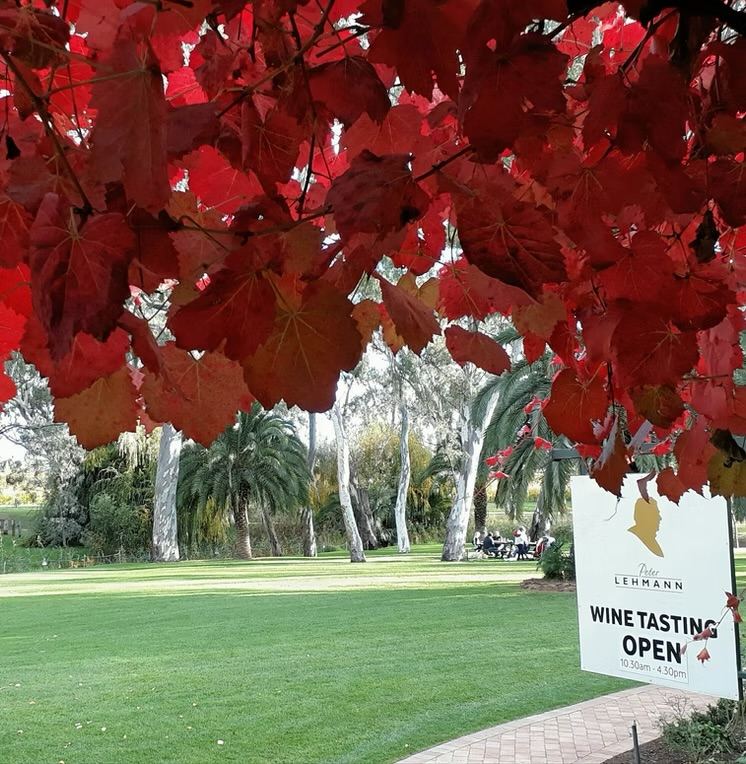
Spring (September to November): green vines and mild days
Spring warms up quickly, from an average 17.9°C maximum in September to 25.0°C in November, and rainfall eases off as the season goes on. The vineyards are fresh and green with new growth, the countryside is at its prettiest, and cellar doors are generally less busy than at peak autumn weekends. It is a lovely time for a private tour where you set your own pace.
Summer (December to February): hot, dry and long days
January is the hottest month at Nuriootpa with an average maximum of 30.3°C, and it is also the driest, averaging under three rain days. Summer wine days work best when you start early, keep the hottest part of the afternoon for a shady lunch, and drink plenty of water between tastings. Long daylight hours mean sunset over the vines is a real bonus.
Winter (June to August): quiet, cosy and red-wine weather
Winter is the Barossa's low season (australia.com). It is also the wettest time of year, with July averaging 58.4 mm of rain and a maximum of just 13.6°C. The upside is a slower pace: fewer crowds, more time to chat with the people pouring, and the Barossa's famous reds suit a cold day perfectly. Bring a warm layer and a rain jacket.
Weekdays or weekends?
Weekends are busier everywhere, particularly in autumn and around school holidays, so book tours, lunches and accommodation ahead. Weekdays tend to be calmer at the cellar door. If you want to visit on a Saturday, the Barossa Farmers Market in Angaston is a good reason to start early (SATC).
When do we run tours?
We are open seven days, and every tour includes door-to-door pickup. Whatever the season, choose a shared small-group day, a fully customised private Barossa wine tour, a gin tour, or a day tour from Adelaide. Planning a day trip? Start with our Barossa day trip guide.