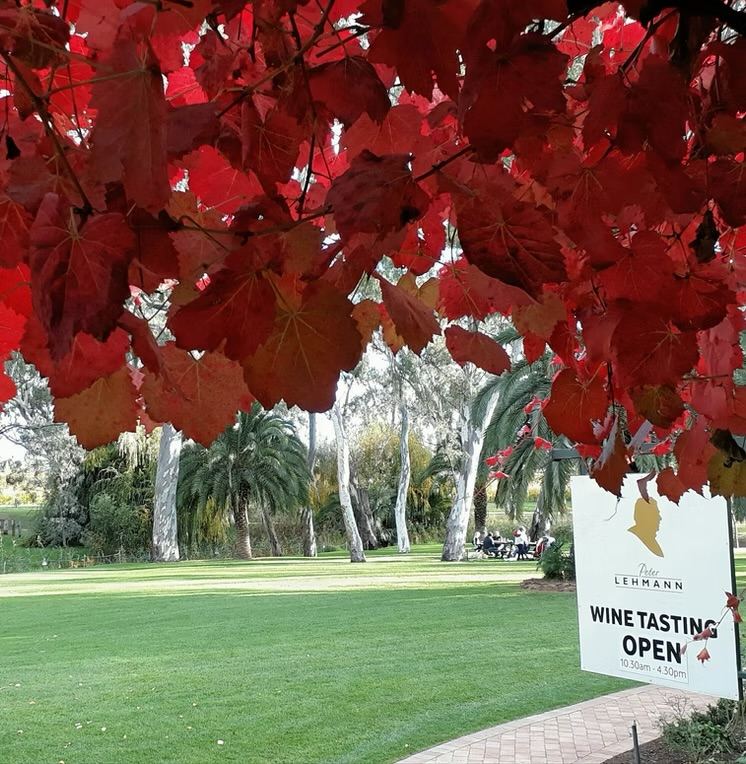
For a full day of Barossa wine tasting, plan on four or five cellar doors. That is what most of our private-tour guests choose, and it leaves time for a proper lunch and real conversations at each stop. Expect that some cellar doors charge a tasting fee, carry photo ID, eat well, sip water between wines, and never feel you have to finish a pour. Spitting or tipping out is completely normal.
How many cellar doors can you visit in a day?
Four or five, at a relaxed pace. Our shared small-group Barossa wine tour visits a minimum of four boutique wineries between 10am and 4pm, and on a private tour most guests settle on four to five. Each tasting usually covers several wines, so by the fourth stop you will have tried a lot. Fewer stops with more time beats a rushed checklist every time.
A good shape for the day is two cellar doors in the morning, a long lunch, then two (or three) in the afternoon.
Do Barossa cellar doors charge for tastings?
Many do, and it varies from door to door. Some charge a tasting fee, some will put it towards a bottle if you buy one, and seated or guided tastings are usually booked and priced separately from a walk-in tasting. Because policies change, we do not quote fees here. On our tours, any cellar-door tasting fees are confirmed when you book, so there are no surprises on the day.
Do you need to book cellar doors?
For a couple, walk-in tastings are often fine at smaller cellar doors, but groups and seated experiences should always be booked, and weekends and autumn are the busiest times. One of the advantages of a tour is that the bookings, timing and lunch are sorted for you, and Kirsty knows which cellar doors are pouring something special that week.
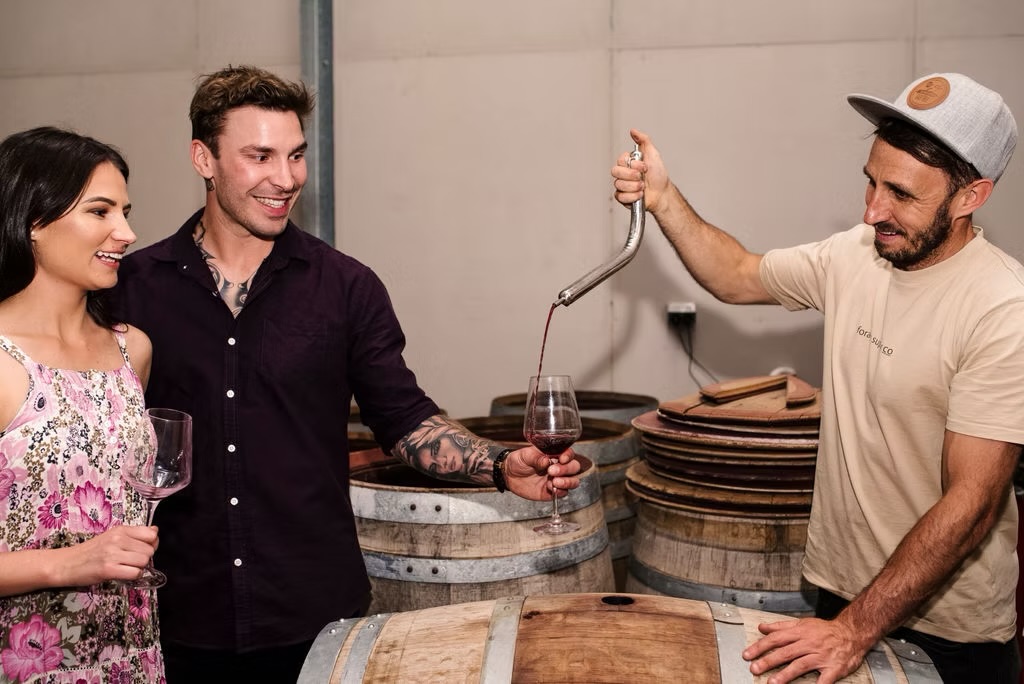
Cellar-door etiquette: the simple rules
- Ask questions. The people pouring love talking about their wines. "What makes this one different?" is always welcome.
- Spit or tip out freely. There is a bucket on the counter for a reason. Nobody expects you to finish every pour.
- Taste in order. Let the host guide you, usually lighter whites through to bigger reds and fortifieds.
- Go easy on perfume or aftershave. Strong scents get in the way of everyone's nose.
- Be on time for booked tastings, and let the venue know if your group size changes.
- No pressure to buy. If you love something, buying a bottle is a nice way to support a small producer, but it is never required.
- Bring ID. Guests must be 18 or older to drink, and venues may ask for photo ID.
Pace yourself: how much is in a glass?
In Australia a standard drink is 10 grams of pure alcohol. The Department of Health's guide puts a 100 ml serve of red wine at 13.5% at about 1.0 standard drink, an average 150 ml restaurant glass of red at about 1.6, and a 750 ml bottle at about 8 (health.gov.au). Tasting pours are smaller than a glass, but across four or five cellar doors with several wines at each, they add up. Eat a proper lunch, have water at every stop, and use the spit bucket for wines you are only curious about.
If anyone in your group is planning to drive, read our guide to wine tasting and drink driving in South Australia first.
What to wear for wine tasting in the Barossa
- Comfortable flat shoes. You may be on gravel paths, lawns or cellar floors.
- Layers. Cellars and barrel rooms are cool even on warm days, and Barossa evenings cool down quickly. Bureau of Meteorology averages for Nuriootpa range from a 30.3°C January maximum to 13.6°C in July (BoM).
- Sun protection in summer: hat, sunscreen and sunglasses for outdoor tastings and lunches.
- Darker colours if you are worried about a red wine splash.
See our best time to visit the Barossa guide for a month-by-month weather table.
Make it easy on yourself
The best Barossa wine tasting days are unhurried: fewer stops, good food, and someone else doing the driving and the bookings. That is exactly what we do, with door-to-door pickup on every tour and a focus on small, family-owned wineries away from the crowds.